Headers, footers and page templates
Global styles and reusable templates rather than a different layout on every page.

Elementor is not a design strategy by itself. We use it with a controlled template system, global styles and a performance budget—so the site looks custom, your team can edit it, and the page is not carrying five widgets it never needed.
Fixed scope after discovery. The free audit checks public signals; a design quote follows a content and template review.
A custom-looking site with a template system your team can actually use.
Global styles and reusable templates rather than a different layout on every page.
Designed around the content and conversion goal—not a demo template with text swapped.
Archive, single and product templates that use real content.
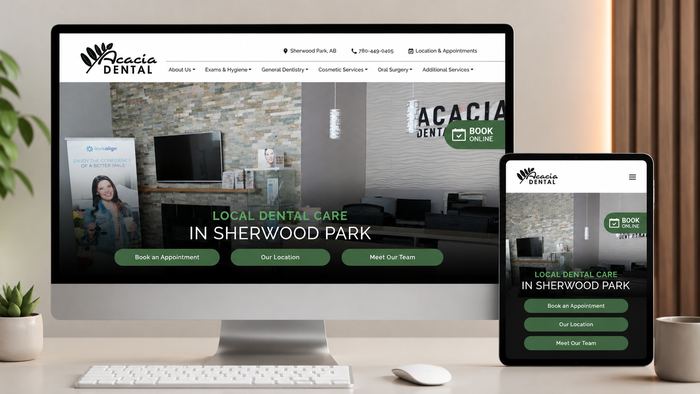
Every template tested at phone, tablet and desktop widths.
Fewer nested widgets, controlled fonts, image sizing and script loading.
Your team knows which template to edit and what not to touch.
Design, template system and performance reviewed together.
Goals, content, audience and the pages that actually convert.
Structure and priority before visual polish.
A visual system for the key templates and components.
Elementor templates, global styles and responsive checks.
Testing, editor guide and a support window.
A good editing tool, used with discipline.
Elementor can reduce the dependency on a developer for routine pages.
A new template system can modernise the site without a platform move.
A performance review should come first; a new design alone will not fix a heavy stack.
Product and archive templates can be designed around the buying journey.
“They actually explained what they were doing instead of just billing us for it. Our booking site has paid for itself twice over.”
What to expect from the build.
Both, depending on the site. Elementor can be the right editing tool when it is used with a lean template, global styles and a performance budget—not as an excuse to stack plugins.
Yes. We can rebuild the templates, clean up the global styles and reduce the page weight without forcing a platform change.
Yes. The design is built around the widgets and templates your team needs, with a short editing guide and a staging copy for testing.
Often. The work is a performance review, not just a plugin toggle: template structure, asset loading, fonts, images and third-party widgets all matter.
No. We measure and improve the experience, but a score is not a ranking or conversion guarantee.
The next useful question, based on what you are dealing with.
Send the site address, the pages that matter and whether Elementor is already installed. We will scope the templates before quoting.